Plateforme de gestion
du savoir
Espace numérique créé pour
tirer pleinement parti des capacités des deux réseaux
et leurs membres fondateurs,
renforçant sa formation,
élargir l'accès à l'information
utile, et facilitant l'apprentissage collectif et l'échange
entre pairs.

Suivez-nous

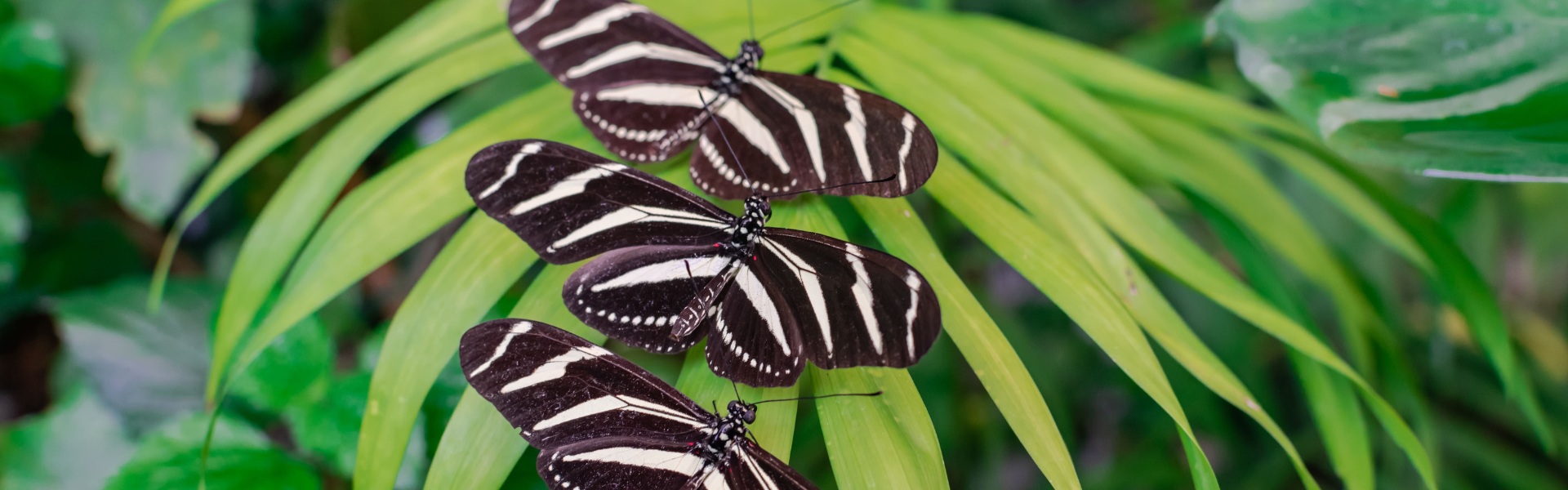
The Caribbean islands are one of the world’s top biodiversity hotspots, characterised by both a high level of regionally unique species and a severe degree of habitat loss. It has over 11,000 plant species, about 72 of which are found only in this region, and many exotic fish and bird species.

The World Bank estimates that 320,000 tons of plastic waste remain uncollected yearly in the Caribbean, polluting white sand beaches, the oceans and coral reefs. This far exceeds the global average, with 2,014 litter items per kilometer, compared with 573 worldwide. Plastics represent 12% of solid waste generated in the Caribbean, and since they are resistant to degradation, remain in ecosystems for centuries.

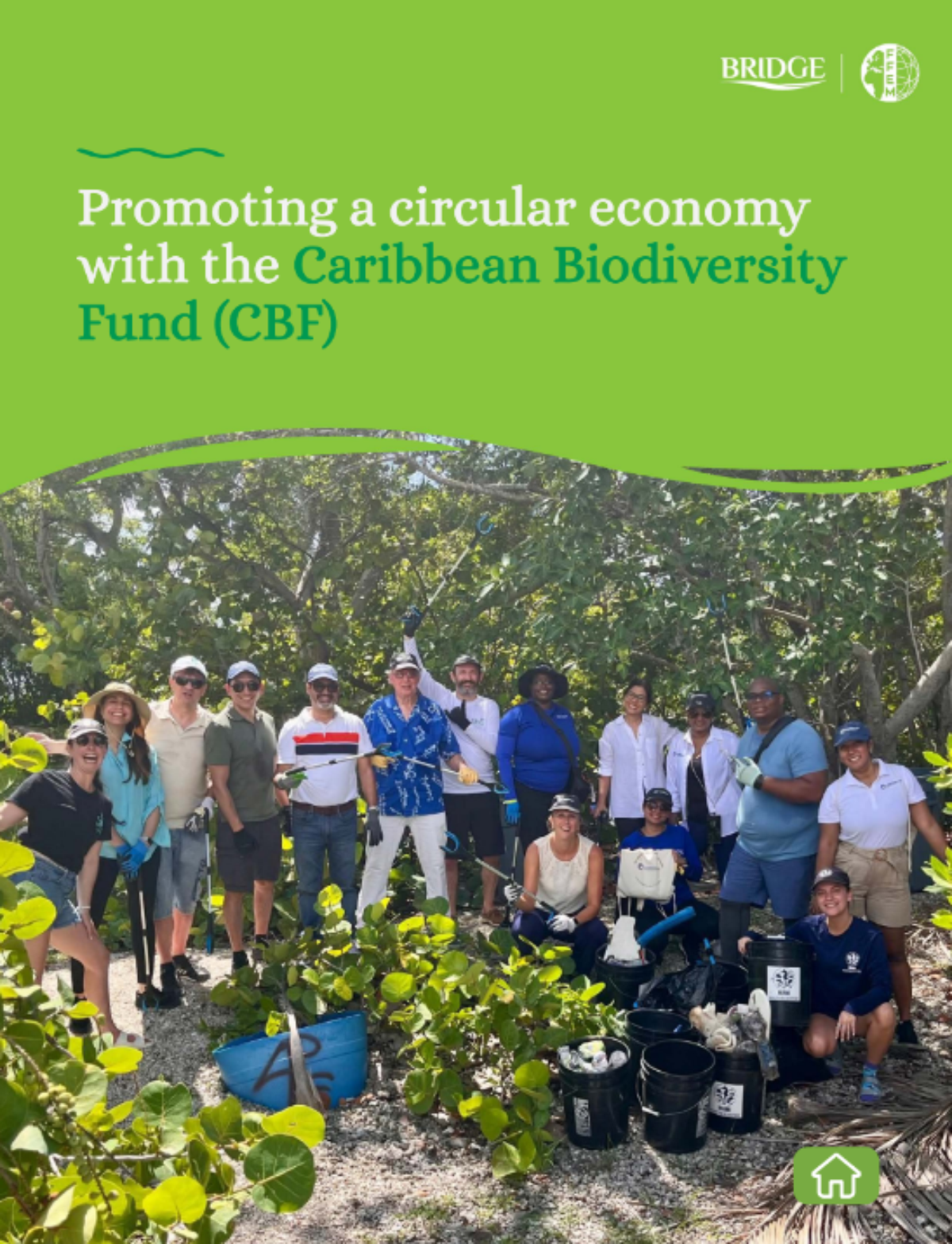
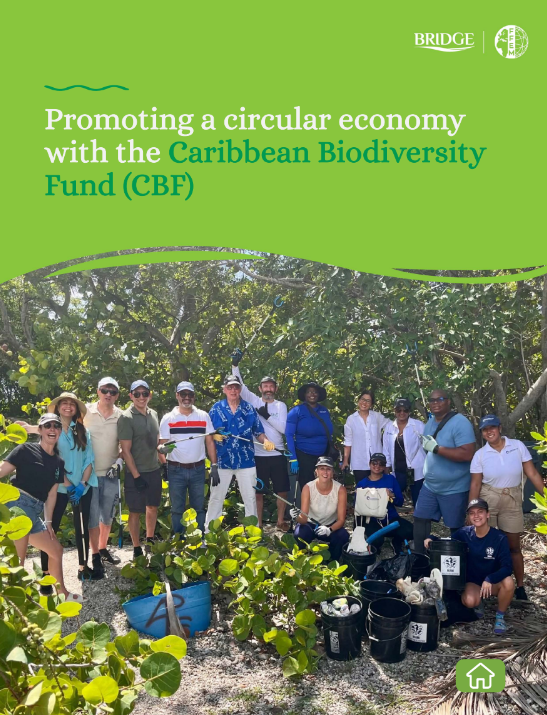
At the Caribbean Biodiversity Fund (CBF) we have created a funding program to tackle this issue through local circular economy initiatives. These initiatives are meant to create changes at the source of the plastic litter problems in the Caribbean, improving the systems of production, waste management and disposal.
By tackling waste before it reaches the sea, the ACE Facility helps to reduce one of the fastest-growing pressures on marine biodiversity, protecting coral reefs, seagrass beds, and coastal habitats that are vital for fisheries and climate resilience.
Catégorie : #Circular Economy #Extended Producer Responsibility #Marine Plastic Pollution #Specific Projects & Initatives #Waste Management