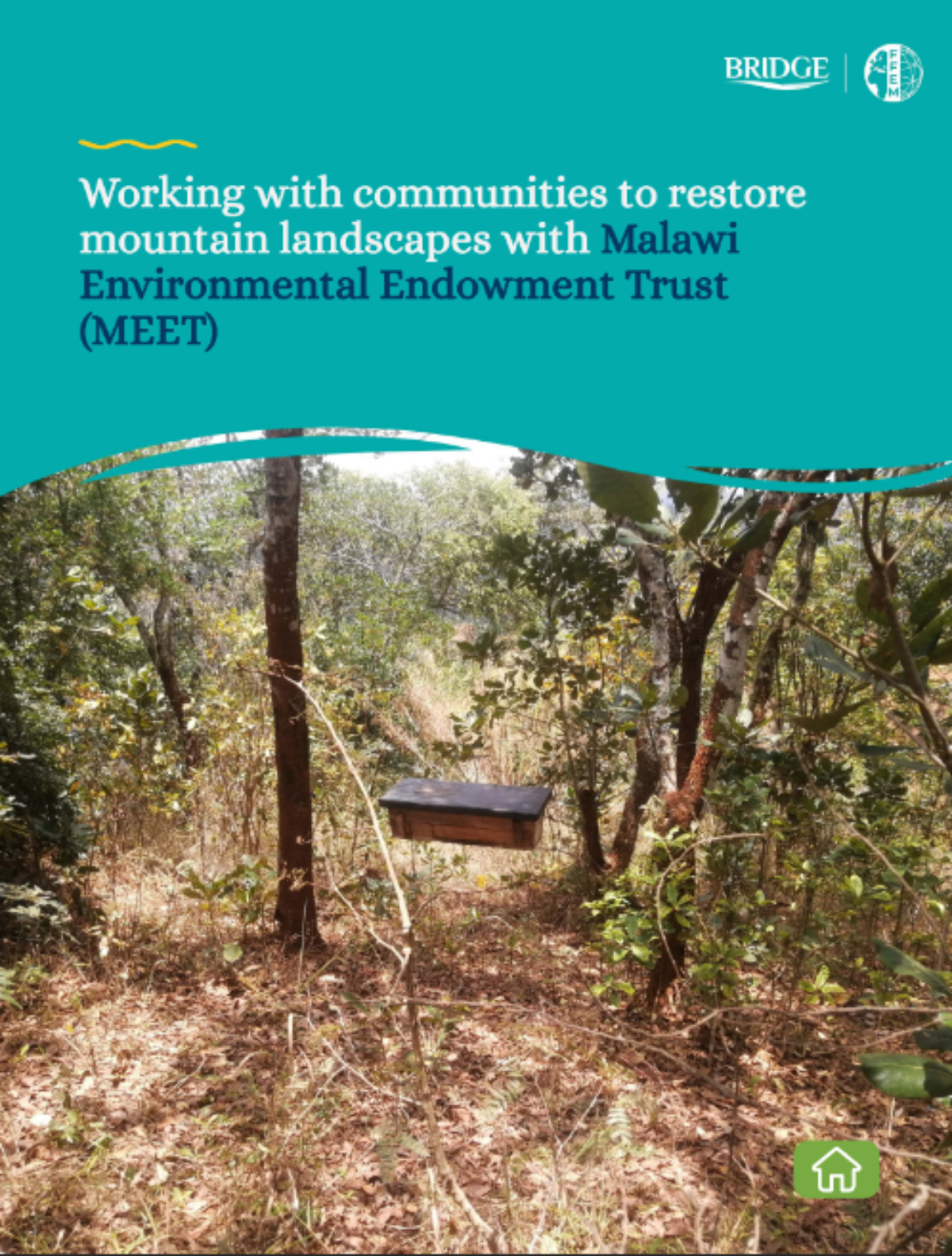
In Malawi, around 90% of the population is dependent on wood fuel for cooking. This has increased pressure on forests, which are being lost at alarming rates. Unsustainable agricultural production, charcoal production and settlement expansion are also among the drivers of deforestation, leading to nearly 42,000 hectares deforested between 2015 and 20202.
This also results in land degradation, which has led to declining agricultural productivity, food insecurity and increased vulnerability of the population to the impacts of climate change, such as floods and droughts. The loss of biodiversity has also affected ecosystem services, such as water purification and the pollination of crops. Such economic losses and diminished livelihoods have perpetuated the cycle of poverty for smallholder farmers who make up the majority of the Malawian population.